

Introduction
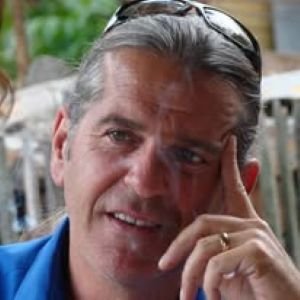
Most readers now know that I am very active on Goodreads, and it was there that I met the sensational and highly talented author and talk of our Goodreads circle, Steve Goldsmith. Steve and I have become the best of friends over the winter, and I have read, reviewed, and loved most of his awe-inspiring books. Since I am also a qualified AS and A Level, IBDP, and IGCSE teacher for more than 16 subjects in the Humanities alone, and since Steve was more than willing to share his teaching and intellectual experience with my readers on my various internationally famous content websites and blogs, I felt it was best to have him here on my literary blog, insaneowl.com. There, I share free, high-quality, and very useful educational content for the betterment of all, as well as literary content rich in erudition. Please welcome my guest, Steve Goldsmith, to Insane Owl, the talented and much-talked-about debut author on Goodreads today. Welcome to Insane Owl, my dearest Steve!
Biographical Details of Steve Goldsmith
Steve Goldsmith (SteveG) has lived multiple lives: military brat, high school dropout, Air Force technician, Silicon Valley startup survivor, math teacher, art gallery owner, flower shop partner, and now caretaker of a botanical garden, butterfly sanctuary, and animal rescue center in Costa Rica. His fiction combines myth, theology, memory, and mischief, shifting across genres with the enthusiasm of someone who never learned the rules. He is the author of Elba Kramer, The Last Heretic, Dear Dairy, Forty-Two Flash Fever Dreams, The Infernal Twins Cycle, The Old One and The Hunger, and The Last Known Position: Lost Without Witness.
Interview
Fiza: Steve, you’ve been a military brat, a high school dropout, an Air Force tech, a Silicon Valley start-up survivor, a math teacher, an art gallery owner, a flower shop co-conspirator, and now the caretaker of a botanical garden, butterfly sanctuary, and animal rescue center in Costa Rica. Which of these lives taught you the most about storytelling, and why?
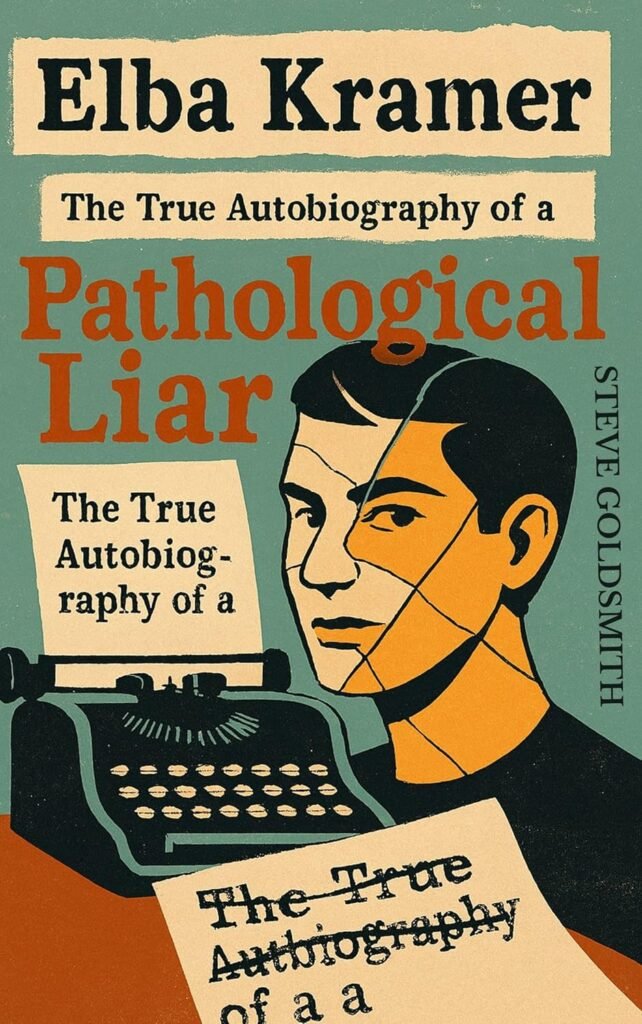
Steve: My boyhood, as Elba Kramer describes it, made me a natural storyteller. When you’re young and have to adapt to a new normal each year, developing survival skills becomes essential. For me, the ability to capture attention with outlandish tales (big-windies, my grandmother called them) caused some people to notice me. And being noticed is the first step toward making friends – even if only temporarily.
Fiza: Your bio mentions that you write during your “endless procession of seven-day weekends.” What is a typical writing day like for you in Costa Rica, and how does the tropical environment influence your work?

Steve: Retirement is a joy. I sleep only 5-6 hours per night, and don’t stay up late or party. I carve out two morning hours, six days a week, dedicated to writing. Now, I don’t always write during those hours. Sometimes I imagine, sometimes I doodle, sometimes I despair. But those hours are sacred, and I honor them with my presence in the moment.
Fiza: From Silicon Valley start-ups to a butterfly sanctuary — that’s quite a leap. What was the moment or experience that made you say, ‘I need to leave all this behind and write?’
Steve: I had a plan for many decades during my adult life – quit work at age 60, move to Costa Rica, build a house on the beach, and open a coffee shop. There was never an intention of writing. But when I settled into the ‘Pura Vida’ mindset, I started following my morning beach walks with reviews of my old notebooks and journals. I realized that I had stories written down that needed only to be shaped up. No plan to publish, just a hobby to keep my little grey cells from atrophy. After six years, I had 3 full-length novels ready to go. Surprise!
Fiza: You taught math and special education. How has working with students — particularly neurodivergent students — shaped you as a writer and as a human being?
Steve: I have never been more alive than during those years of teaching. One reason is that I have never really left middle school myself – I am still a goofball who laughs at fart jokes. The call to individuation was hard to answer – there are only so many hours in a day – but the SPED kids demanded and deserved it. So I poured my heart into connection, guidance, encouragement, and support.
Fiza: You know that I am totally fascinated with your books, especially ‘Dear Dairy’. Can you share with my readers on Insane Owl something about this particular novel of yours – how much of it is fiction and how much is not?
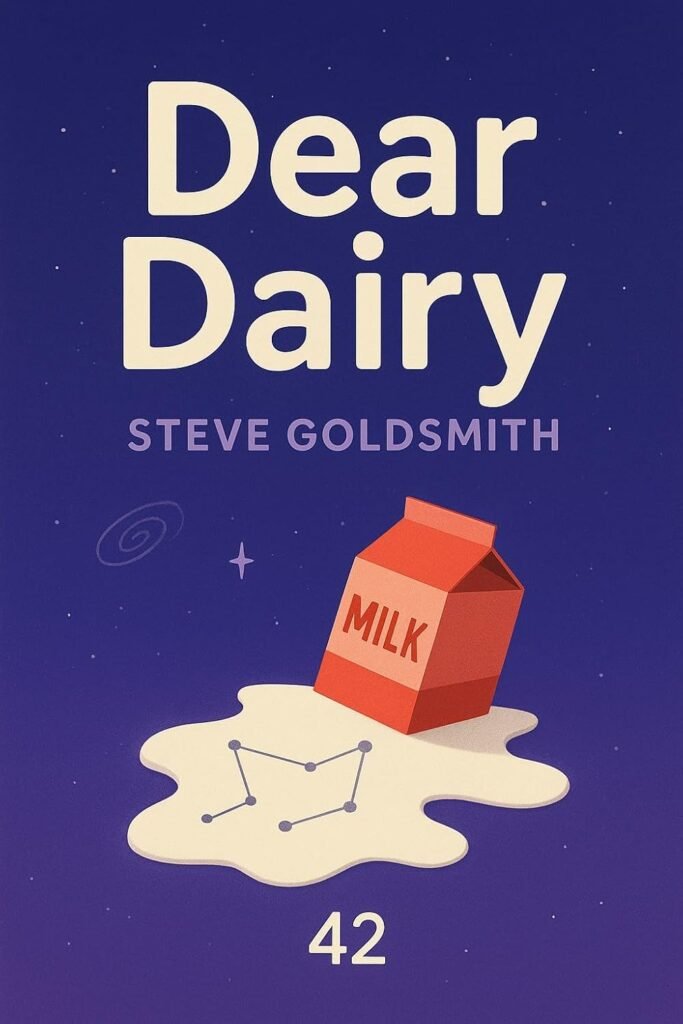
Steve: Dear Dairy is very personal to me. It is modelled after the short life of a student of mine. We connected through books and math, and he was surprisingly verbal with me in fits and spurts. He recounted some of his own dreams, told twisted tales based on books and movies in his life, and casually showed off his numeracy skills. A beautiful boy. When he died, I vowed to capture his voice one day. Dear Dairy, is my good-faith attempt to do so. Not to model his life. Only to honor him.
Fiza: Why did you wish to chronicle the story of Justin Case in ‘Dear Dairy’?

Steve: As mentioned, he touched me deeply. He deserves to be heard.
Fiza: Justin Case is twelve, mildly autistic, dyslexic, and wildly imaginative. His diary entries are paired with dreams of exactly 666 words each. Was the 666 word count a deliberate provocation, a mathematical obsession befitting a neurodivergent mind, or something else entirely?
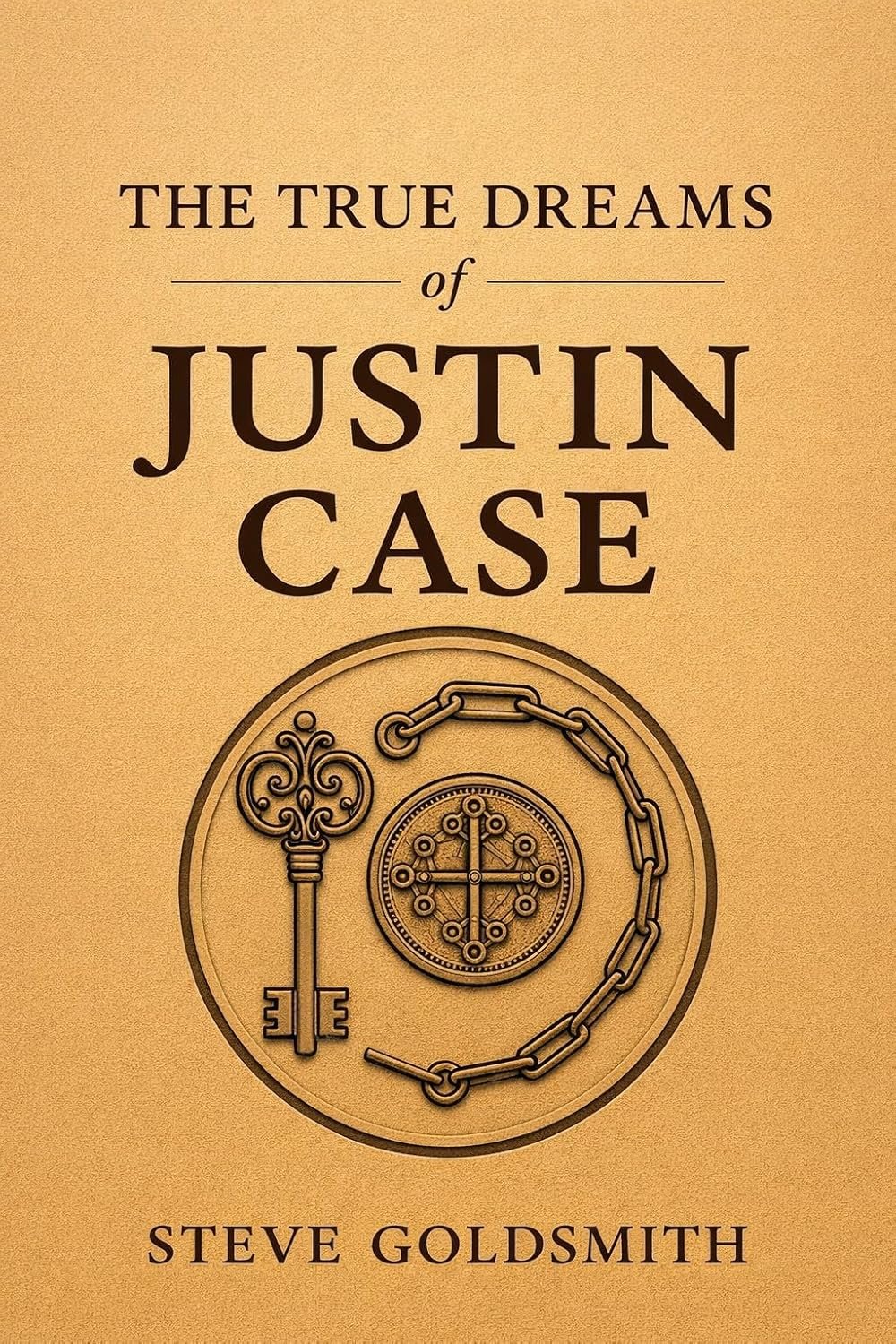
Steve: A mix of whimsy and provocation. Many years ago, I won a flash fiction contest based on 66-word short stories. I wrote six of them in about 66 minutes. When I decided on the flash fiction device for the dreams (to help me tighten my own writing), I couldn’t resist ‘The Number of the Beast’. After all, it was quite a revelation (to me) that I could write at all!
Fiza: You wrote that Dear Dairy is ‘a story about humor as armor, imagination as survival, and the power of being heard even when the world doesn’t always listen.’ As a former special education teacher, what do you wish mainstream education understood better about neurodivergent students?
Steve: The majority of those students can hear you very well. When teachers learn ways to make small connections, the listening increases. Recognizing that some students process your instructions (commands or demands) differently makes it possible to individualize instruction and teaching. My experience with several of my neurodivergent students is that they were actually absorbing much of the material, even though they sometimes appeared tuned out. Trust them to hear you and teach.
Fiza: In my endorsement of ‘Dear Dairy,’ I compared it to ‘The Curious Incident of the Dog in the Night Time’ and ‘Flowers for Algernon’ as essential neurodivergent literature. How do you feel about those comparisons, and what do you think ‘Dear Dairy’ offers that is uniquely its own?
Steve: I was flattered by the comparisons, of course! I never expected anyone to see me as belonging in that pantheon. Now, Dear Dairy is not a straight-line story, despite being chronological over 42 days. Justin’s dreams about his future inform his present. The storybook dreams help him to rationalize his entertainment. The sensory dreams allow him to feel things that are not quite within reach of his lived experience. I think that the pairing of journal entries, where Justin ‘improves’ daily, with dreamscapes that give him permission to adapt and change… is a unique way of describing a mind and tuning a voice.
Fiza: You described ‘Dear Dairy’ as a ‘coming-to-voice story.’ That’s a beautiful distinction from a coming-of-age story. Can you elaborate on the difference as you see it?
Steve: Justin never completed his ‘coming of age’ journey. But his voice has resonated in my head for over 20 years. Hence… coming-to-voice.
Fiza: ‘The Last Known Position’ is my second favorite book of yours, featuring three disappearances: a colony vanishing from the New World, a pilot disappearing into the open sky, and a ship drifting abandoned on calm seas. Readers will naturally think of Roanoke, Amelia Earhart, and the ‘Mary Celeste.’ Are those the vanishings you reimagined, and what drew you to the folk horror lens rather than straight historical fiction?
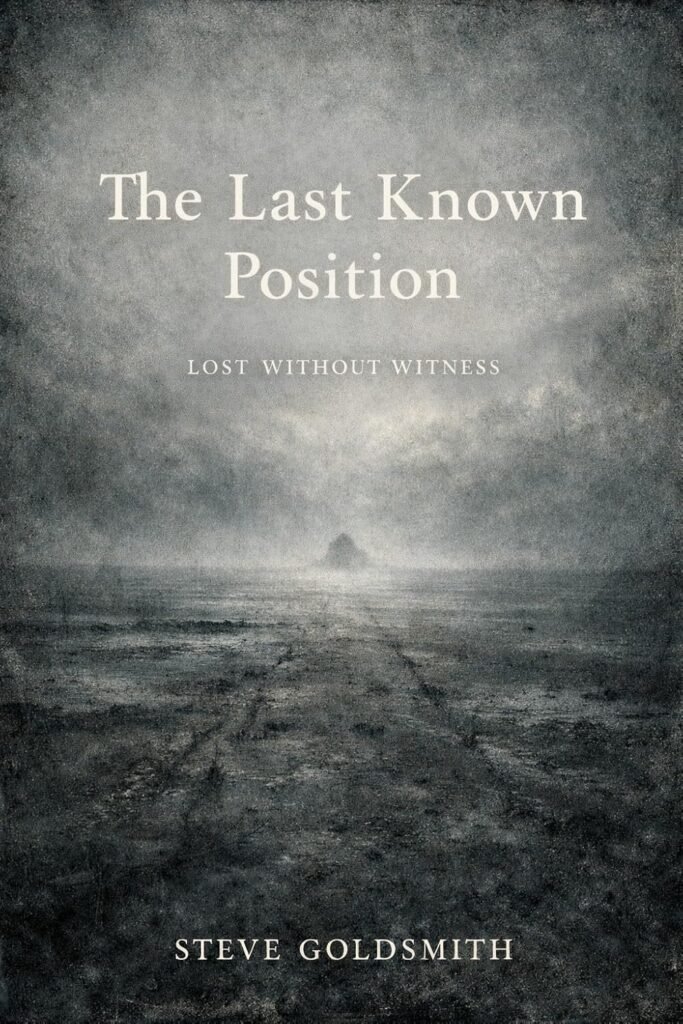
Steve: Yes, those are the very three… and I have 3 others that I am toying with just now. Fun story – I have a friend who is a horror writer. She read one of my books and said that she thought I was pretty good, but there is no way that I could write horror. I bet her a beer that I could write a horror story that would impress her. She bought me a six-pack.
Fiza: The tagline for ‘The Last Known Position’ is: ‘Nothing chases. Nothing explains. Nothing lets go.’ That’s some of the most chilling writing I’ve encountered in a book description. How do you write horror that is built on absence rather than presence?
Steve: As with all of my writing, it is about voice. I think that the way the ‘alien’ minds process and express themselves lends to the folk horror classification. Absence is presence, at times. And less, of course, is often more.
Fiza: You write that in these stories, ‘isolation is not an accident, landscapes are not neutral, and absence becomes its own form of evidence.’ Living in Costa Rica, surrounded by jungle and nature, do you ever find yourself writing about landscapes you can see from your window?
Steve: In ‘Dear Dairy,’ Future Justin moves to Costa Rica in his middle age. Many of the dreams that recount his time there are based on real-life experiences. In fact, Future Justin established a Foundation in one of the dreams – Vida Sostenible Costa Rica. That foundation actually exists in my little pueblo (Vida Sostenible Nuevo Arenal) – founded by me!
Fiza: Justin Case from ‘Dear Dairy,’ has his own list of superpowers. If you, Steve Goldsmith, could have just one superpower, what would it be?
Steve: I already have one — charm! Devastating charm. But I also have my personal kryptonite – women! I sometimes say that I invested most of my money in wine, women, and song… and that I squandered the rest. Please believe me – charm is a double-edged sword.
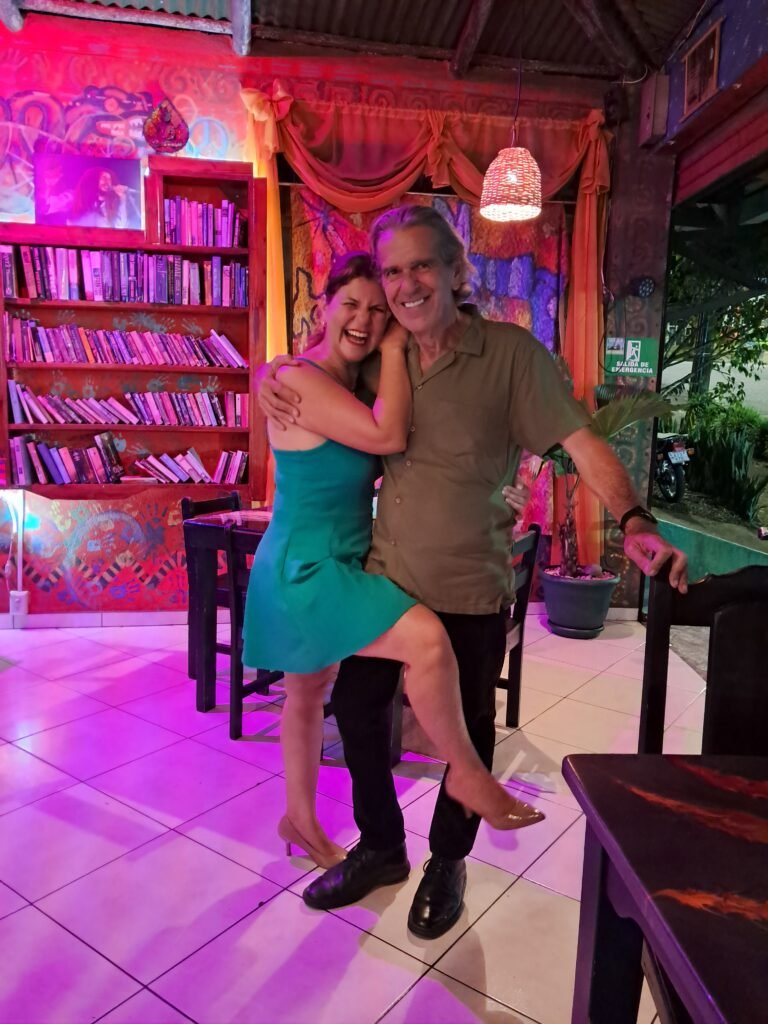
Fiza: What is the one book you wish you had written —and why?
Steve: I am still writing. I won’t know that answer until I’m dead. So I have to keep you in suspense for many years to come.
Fiza: Your book, ‘The Last Heretic,’ is steeped in fifty years of research into the Council of Nicaea. Fifty years! What first ignited your fascination with this period, and what was the most surprising thing you discovered? I am so intrigued about this one!
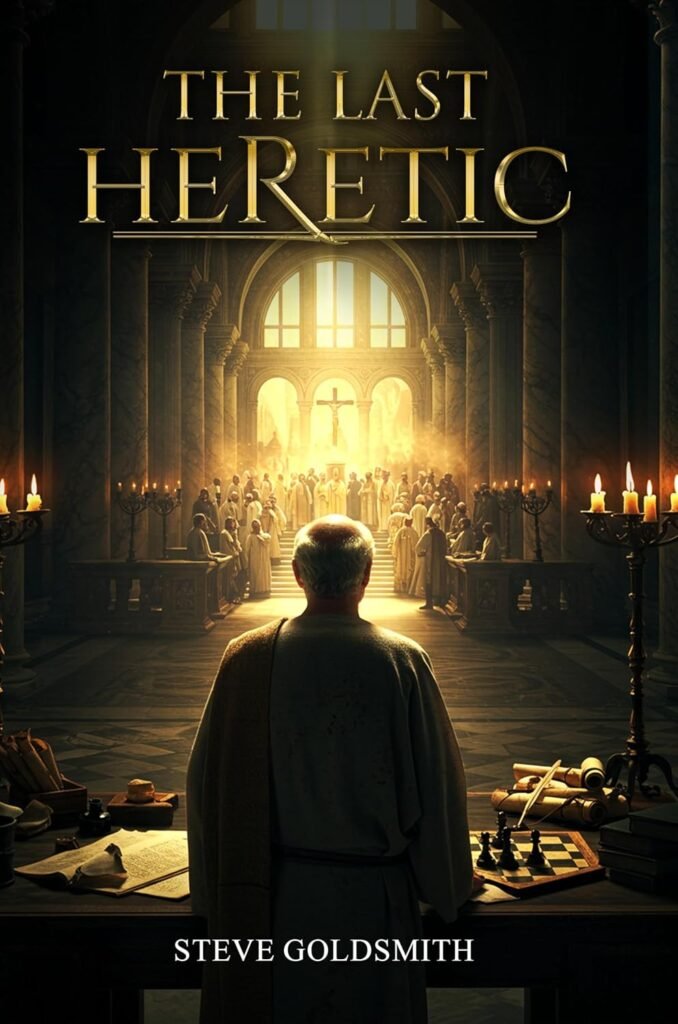
Steve: There’s always a story behind every story, right? When I was a teenager, I was grounded for a weekend over some trivial offense. I was forced to stay in my father’s vast library with no stimulation other than books. I read The Silver Chalice by Thomas B. Costain and Convention by Fletcher Knebel back-to-back one afternoon. I realized I needed to write a political thriller set in ancient times. The next day, my evil stepmother conditioned my freedom on writing a critical essay about the history of the Nicene Creed (she was a good Catholic). The story came to me then. I drafted it many times over the years, never satisfied. When I earned my BS in Math, my minor was Theology. I had access to a great library of church writings about the Council, and the story developed. When I finally decided to write it down, I drew from six different notebooks spanning 50 years of my life. And I really do believe that I nailed the story that came to me as a juvenile delinquent!
Fiza: Archelaus, your protagonist, is a ‘sharp-tongued scribe with no patience for piety’ who discovers that the ‘consensus’ behind the Nicene Creed is a lie born of coercion. How much of Archelaus’s skepticism reflects your own views on institutional religion?
Steve: Well, at the risk of rounding down, I have to say 100%.
Fiza: The chapters of ‘The Last Heretic’ are structured as chess moves — from ‘Opening Gambit’ to ‘Zugzwang’ to ‘Resignation.’ Why chess as the governing metaphor for a story about theology and power?
Steve: Aha! Back to my father’s library! He was a chess master and had a collection of chess sets that varied from onyx-and-jade to gold-and-silver, from the War of the Roses to the US Civil War. That collection is now in a library in the US heartland, by the way. I was never able to play well, but I learned the jargon and the nuance from my father. It struck me as a clever way to frame the chapters, hearkening back to my detention.
Fiza: The novel features a forbidden love between Archelaus and a character named Helena. How important was it to you to ground this theological thriller in a deeply personal, emotional story?
Steve: I did not see that coming until I first heard Helena’s voice. Then it became essential to me as a means of humanizing Archie, who is truly a despicable character. The first time Helena spoke to me, I fell in love with her. I needed to express that love creatively.
Fiza: ‘The Last Heretic’ is described as a ‘philosophical thriller.’ That’s a rare genre. Were there any literary models or inspirations you looked to when crafting a book that had to be simultaneously intellectually rigorous and dramatically gripping?
Steve: I think not. Truly, the prose just flowed once I made the sketch. I loved playing with the language, especially coining new ‘group names’, like a ‘Bestiary of Bishops’. There is no one work that I can point to as inspiration. I think, rather, that several inspirations ended up intertwined in my final draft.
Fiza: Writing about the Nicene Creed is inherently provocative for millions of Christians worldwide. Did you worry about the reception from religious readers? Have you received any reactions that surprised you?
Steve: I hope that you and others see that the Creed and the Council are simply exemplars of institutional ‘levers.’ I did not worry about giving offense at all. In fact, I think that the treatment is respectful of the human aspects of the evolution of faith and doctrine. Nobody has yet commented negatively about the portrayal. I think I’m in the clear!
Fiza: Your fiction blends ‘myth, theology, memory, and mischief’ and moves ‘across genres with the enthusiasm of someone who never learned the rules.’ Do you genuinely believe you never learned the rules, or did you learn them and then gleefully break them?
Steve: Oh, I know the rules well enough to understand how to bend them without breaking them. I’d say that I ‘intuited’ the rules more than ‘learned’ them… and I know enough to walk the letter of law while gleefully violating the spirit.
Fiza: Many of your books deal with theology, faith, doubt, and the institutions that mediate between humans and the divine. Would you describe yourself as a religious writer, a spiritual writer, or something else entirely?
Steve: Neither religious nor spiritual. I was not raised in any faith, but my life lessons led me to a deep distrust of institutions. My fascination with history led me to delve into religion, but all religious and spiritual leanings are ancillary to every story. But the myths and legends that underpin all faith systems intrigue me, so I play with them. Happily.
Fiza: You are stranded on a desert island with only three books (not your own). Which three would you choose?
Steve: Douglas Adams’ Hitchhiker’s trilogy… because there are five books! Remember… letter vs spirit!
Fiza: Elba Kramer is subtitled ‘The True Autobiography of a Pathological Liar.’ You wrote that you ‘found it impossible to tell the story as myself.’ What does it mean to need a pseudonym to tell the truth about your own life?
Steve: I wrote a short story many years ago, My Little Runaway. It was a lightly fictionalized account of an event I reproduced in Elba Kramer, in which he ran away from home and hitchhiked for some weeks across the US Midwest as a teenager. It was published in a San Francisco magazine. I sent a copy to my parents. My mother read the story and refused to speak to me ever again, for over 25 years, until her death. That put the brakes on my writing, for sure. Once she died in 2020, I decided to permit myself to tell the rest of the story. But I feared how my children would react. The good news is all 4 of my children, and my 3 eldest grandchildren (of 7) read and loved the story. They loved me more after getting to know me in this way. So I chose a mask to get the story on paper. It was the only way I could get it done, but it was not necessary.
Fiza: The book covers the first seventeen years of a life ‘lived in the blur between memory and invention.’ How did you decide which memories to keep intact and which to transform through fiction? Was there a line you refused to cross?
Steve: The sad fact is that there is very little invention in Elba Kramer. My lies when writing the book were lies of omission. Some stories will never be told.
Fiza: The voice of Elba Kramer has been described as ‘funny, furious, and disarmingly tender.’ Which of those three registers came most naturally to you, and which was the hardest to sustain?
Steve: I’ve had funny and furious down pat for most of my life! The tender bit was a stretch for me, until I dwelt in the memories with a clear head. Then the tenderness, if that’s what it really is, just happened.
Fiza: Elba’s story moves from a childhood in small-town America to dropping out of school, becoming a father, and seeking refuge in the military. Was writing this book cathartic, or did revisiting those years reopen wounds? Because when I was writing my own memoirs, especially the larger ‘Scenes of a Reclusive Writer & Reader of Mumbai’, it was painful for me, and after that, I found it difficult to write something major for a long time. I therefore would like to know how you felt while crafting ‘Elba Kramer’.
Steve: The story poured out of me. Some muse was dictating the memories, and I stayed out of their way. I experienced a vague catharsis, I suppose, but nothing too difficult to deal with. But what happened is this… finishing Elba Kramer allowed me to write some more. Sharing it with a former partner gave me the strength to publish. That said, when I re-read the finished manuscript, I still cry—a little bit.
Fiza: You say ‘every exaggeration hides a secret, and every truth has teeth.’ Can you give us one example of a ‘truth with teeth’ from the book without giving too much away?
Steve: You ask too much of me! I promised myself that I would not let slip details of what’s exaggerated, what’s fabricated, what’s omitted. But I can say this, my dear Fiza Pathan… Truth is a weapon, razor-sharp and deadly when wielded by a master. That’s a fact in every church, in every family, in every community. Elba was hurt by many people while growing up… but the truth is that he also hurt many people, perhaps many more people than hurt him. And his version of the truth… my version of the truth, has always been the cudgel.
Fiza: ‘Forty-Two Flash Fever Dreams’ is described as ‘a small emergency kit for the imagination’, a curated sampler of micro-dreams from the world of ‘Dear Dairy’. What made you decide to release the dreams as a standalone booklet, separate from the diary entries that give them context?
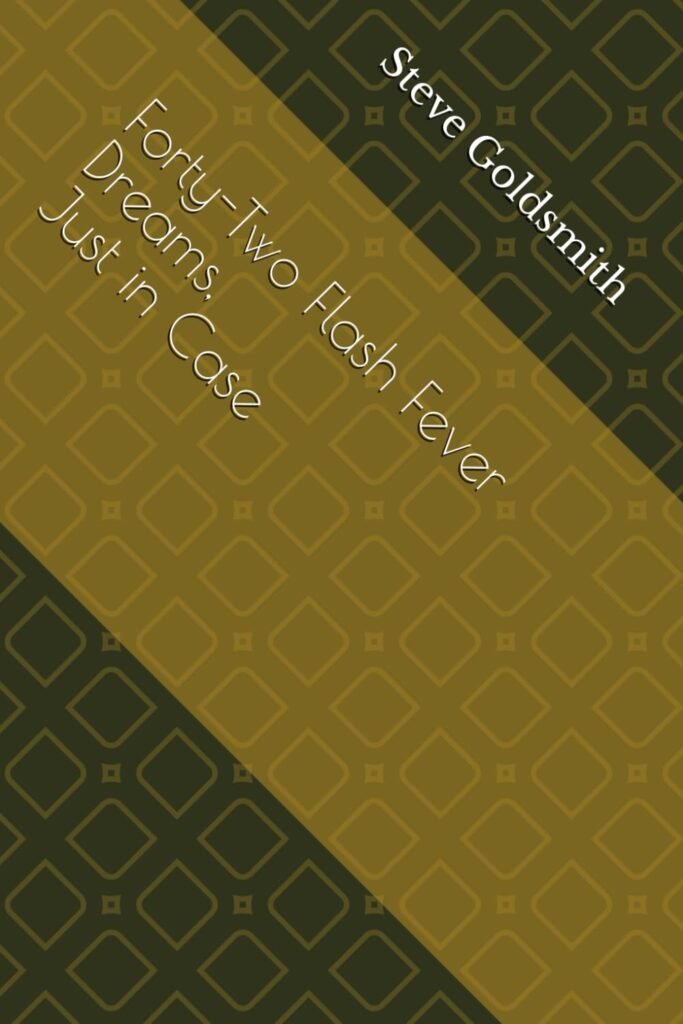
Steve: My motivation was to have a free or inexpensive ‘reader magnet’ to gain attention and drive readers to pick up Dear Dairy. It sold only two dozen copies and did not deliver on the pull-through. For that reason, I unpublished it some weeks ago. But I have the paperback copy in my library – the only one that exists. And it is signed by the author!
Fiza: You call it ‘a strange little lantern of a book.’ For readers who pick up the ‘Forty-Two Flash Fever Dreams’ first without having read ‘Dear Dairy,’ what experience are you hoping they’ll have?
Steve: Flash fiction is an art form. 42 Flash is a thought exercise in taking that form and seeing if it delivers a message absent the larger context. Readers and reviewers have enjoyed the stories, some more than others. But each is meant to be a perfect-ish micro-vignette that delivers a satisfying feeling of authorial symmetry at the end. How’s that for hubris?!?
Fiza: The Truth and Consequences Collection brings together Elba Kramer, The Last Heretic, and Dear Dairy — autobiography, historical theology, and neurodivergent voice. The tagline is: ‘Beyond the facts, beneath the dogma, and behind the mask.’ What is the ‘truth’ and what are the ‘consequences’ that bind these three very different books together?
Steve: I hope my voice unites them, as each takes a different view of truth. No truth is universal. Elba has his personal truth. Heretic plays with institutional truth. And Justin wrestles with existential truth. The connection is not obvious at first glance. The voice representing each narrative delivers the connection.
Fiza: Each book in the collection deals with unreliable narration differently – Elba is a confessed liar, Archelaus is a manipulative scribe, and Justin’s perceptions are filtered through autism and dyslexia. Are you drawn to narrators who cannot — or will not — tell things straight?
Steve: Truth is a sticky wicket. There’s delivered truth, internal truth, absolute truth, truth as armor, truth as shield and buckler. Every narrator will have a stance on truth, I believe, and a different way of dealing with the consequences of their own truth.
Fiza: You’ve written autofiction, historical literary fiction, neurodivergent YA, cosmic satire, flash fiction, and folk horror. Is there a genre you haven’t tried yet that tempts you?
Steve: Romance, Fantasy, Sci-Fi, many others. I do not see myself as a world-builder, more as a storyteller. I do have an outline for a Dark Romance in my To-Be-Written folder, but I am not sure that I will ever pick it up. I was doodling in my notebook one morning and saw myself write the title “Irreconcilable Similarities”. The outline flowed from there. But my muse has not been whispering about this one. Maybe someday.
Fiza: If a reader has never picked up a Steve Goldsmith book before, which one should they start with, and which one should they save for last?
Steve: The order that makes sense to me is… Elba Kramer, The Last Heretic, then Dear Dairy. I wrote them in this order. If a reader does not care for Elba Kramer, chances are they are not my readers for the other two. That said, they can certainly be read in any order.
Fiza: What do you think about my short story ‘Caste Metal’, and do you think I should expand it into a full-length novel?
Steve: Caste Metal was an eye-opener for me. I learned more about the culture than I ever thought I would. You may recall that I questioned whether one character could be seen as a collaborator. Your prequel answers that. In my opinion, there is a novel to be written that examines these happenings from two viewpoints… develop a character who sees all forward-looking people as collaborators, expand your characters who see truth and speak it to power.
Fiza: Which is the best writing you have read of mine, and which is the worst so far?
Steve: Amina the Silent One. I love her. But Caste Metal and Coronavirus are way up there on my list of likes. I have had a hard time engaging with The Love That Dare Not Speak Its Name: Short Stories. It simply does not move me.
Fiza: What do you drink when you are writing your books – coffee, tea, both, wine, beer, fruit juice, milk, or something else? Name your poison, Steve!
Steve: C-O-F-F-E-E, coffee is just for me. It’s a drink some people wake up with, and that it makes you nervous is no myth; slave to a coffee cup, I can’t give coffee up! But white wine in the evenings, sometimes in the gardens with my novia, often at the lake with her as well.
Fiza: What are you working on next? Can you give us a hint about any upcoming projects?
Steve: There are two writing projects that I am invested in just now. My 6th entry in Truth & Consequences, The True Virgin, is moving along well. It’s a reimaging of the life of Jesus and Mary Magdalene – think Christopher Moore meets Douglas Adams.
I am collecting images and oral history artifacts for a series of children’s books. The idea is to publish the myths and legends of Costa Rica freely, in English and Spanish. This is a key part of the Vida Sostenible benefit stream that we call ‘Lectores’ – to create, publish, and distribute children’s books to local families.
Fiza: You’ve built a remarkable life in Costa Rica surrounded by butterflies, rescued animals, and books. If you could give one piece of advice to a young writer who feels like they don’t fit into any box, what would it be?
Steve: Simple: build your own box! Conventional wisdom says that writers should stay in a lane, land on a genre, and write a series or two—good ideas, but not the only way to express oneself. The nature of the writing process is deeply personal. Write from your heart – your readers will find you.
Fiza: Finally, Steve — what do you want readers to carry with them after they close a Steve Goldsmith book?
Steve: I hope that every book delivers some truth to the reader, and that readers reflect on the nature of truth and the importance of consequences. I try to use language so that some phrases and passages stay with the reader. Knowing that some people might quote a line or a scene makes me smile.
Fiza: Where can my readers on Insane Owl easily find you and your books?
Steve: I have a ridiculous number of online pages, but the best one to visit is my Author Website: SteveG Author Site.
For an idea of my non-writing life, consider visiting: El Jardin Reverente
That one shows the work that really matters.
Conclusion
Thank you, Steve Goldsmith, for allowing me to interview you on my blog, insaneowl.com, where we discuss all things books and create free but high-quality educational content for everyone’s benefit—always! Be sure to get your copy of Steve’s books today! I highly recommend them.
If you want more book reviews, indie author interviews, book analyses, short story analyses, poems, essays, essay analyses, and other bookish content, check out my blog, insaneowl.com. If you want to purchase my books, you can check the products page of my blog or Amazon. There is a lot of good stuff to buy! Happy reading to you always!
©2026 Fiza Pathan
Leave a Reply